
Integration of ICEGATE, RMS and ICEC could reshape cargo clearance, strengthen port efficiency and support India’s long-term trade competitiveness agenda
Make us preferred source on Google
MaritimeNews Summary
India’s Customs administration is accelerating digital trade facilitation reforms through a proposed Unified Customs Integrated System that will integrate ICEGATE, RMS and ICEC into a single ecosystem. The initiative, highlighted at the BCBA Logistics Conclave 2026 in Mumbai, aims to reduce cargo delays, improve trade facilitation, strengthen logistics efficiency and support India’s vision of becoming a globally competitive manufacturing, export and supply-chain hub.
Key Takeaways
- CBIC plans to integrate ICEGATE, RMS and ICEC into a Unified Customs Integrated System.
- Customs modernisation is emerging as a key pillar of India’s logistics competitiveness strategy.
- Digital reforms are expected to reduce paperwork, cargo delays and transaction costs.
- DPD, DPE, AEO, SWIFT and Faceless Assessment remain central to trade facilitation efforts.
- Faster Customs clearance can improve port productivity and reduce logistics costs.
- Stakeholders are seeking implementation timelines and measurable performance benchmarks.
- The initiative gains importance amid global supply-chain disruptions and geopolitical uncertainties.
CBIC Outlines Vision for a Digitally Integrated Customs Ecosystem
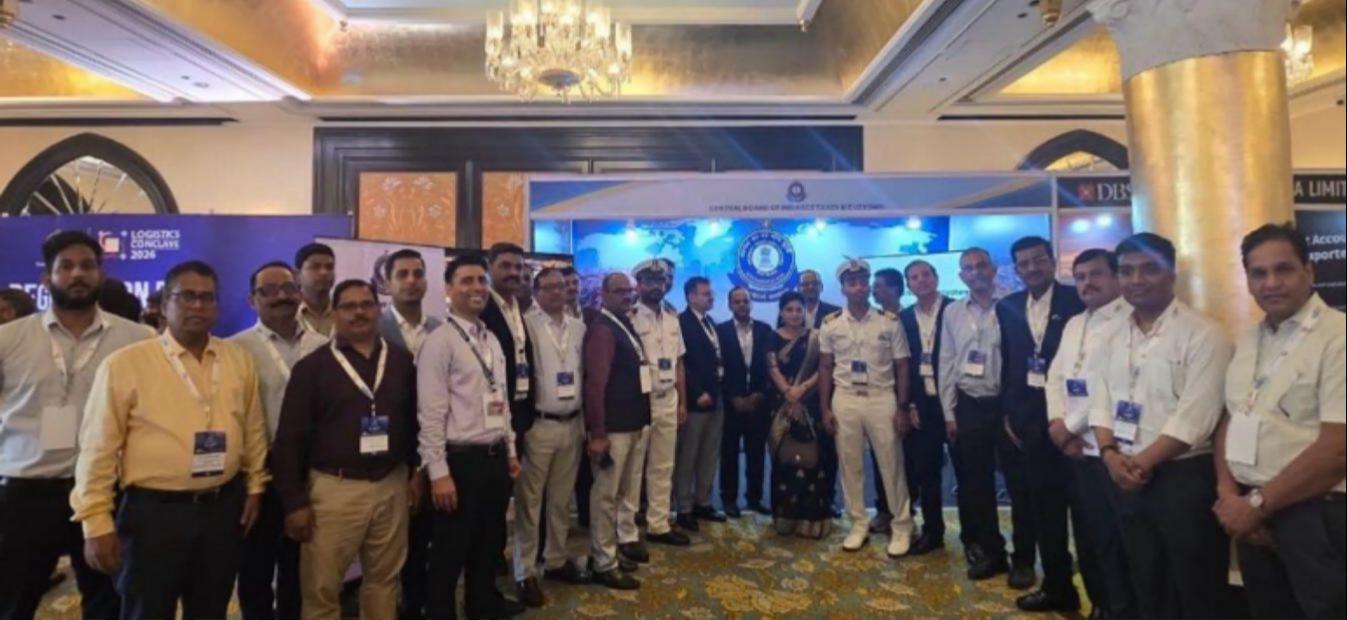
Mumbai, Maharashtra, India, June 17 (Maritime News) – India’s push towards faster cargo movement and seamless trade facilitation took centre stage at the BCBA Logistics Conclave 2026 in Mumbai, where senior Customs officials outlined a roadmap for integrating multiple digital Customs platforms into a Unified Customs Integrated System.
Organised by the Brihanmumbai Customs Brokers Association (BCBA), the conclave brought together senior officials from the Central Board of Indirect Taxes and Customs (CBIC), Customs brokers, importers, exporters, logistics providers, freight forwarders and trade associations.
Among those attending were Yogendra Garg, Member (Customs), CBIC; Anupam Prakash, Joint Secretary (Customs); Mayank Kumar, Principal Chief Commissioner, Mumbai Customs Zone-I; Vimal Srivastava, Chief Commissioner, Mumbai Customs Zone-II; and B.B. Gupta, Chief Commissioner, Mumbai Customs Zone-III. CBIC Chairman Vivek Chaturvedi addressed the gathering virtually and highlighted the importance of logistics efficiency in India’s Viksit Bharat journey.
A major focus of the discussions was CBIC’s effort to integrate ICEGATE, the Risk Management System (RMS) and ICEC into a Unified Customs Integrated System that can support faster, more transparent and data-driven cargo clearance.
Digital Customs Reforms Move Beyond Compliance
The Directorate General of Taxpayer Services (DGTS), Mumbai Zonal Unit, established a dedicated CBIC Pavilion showcasing several digital Customs and GST initiatives currently being implemented across the country.
The reforms highlighted included:
- ICEGATE Services
- e-Bond System
- Electronic Bank Guarantee
- Automated Out-of-Charge Facility
- e-Scheduling of Examinations
- ICETABs
- Faceless Customs Processes
- Paperless Documentation Systems
Officials emphasised that these initiatives are intended to simplify procedures, improve transparency and reduce physical interaction between trade stakeholders and Customs authorities.
Trade Facilitation Measures Continue to Expand
Participants were also briefed on several trade facilitation initiatives that directly impact India’s ports, logistics corridors and international trade ecosystem.
These included:
- Direct Port Delivery (DPD)
- Direct Port Entry (DPE)
- Authorised Economic Operator (AEO) Programme
- SWIFT
- Risk Management System (RMS)
- Faceless Assessment
- Non-Intrusive Inspection Technologies
- National Assessment Centre (NAC) Portal
Together, these initiatives are aimed at reducing cargo dwell times, improving predictability and strengthening ease of doing business.
Why It Matters
India has invested thousands of crores in ports, dedicated freight corridors, multimodal logistics parks and supply-chain infrastructure. However, infrastructure alone cannot deliver competitiveness if cargo clearance remains slow, fragmented or documentation-heavy.
For major gateways such as JNPA, Mumbai Port, Deendayal Port, Chennai Port, Visakhapatnam Port and Vizhinjam Port, Customs efficiency directly influences cargo evacuation, vessel turnaround and terminal productivity.
The success of India’s logistics transformation will depend not only on infrastructure development but also on the efficiency of Customs processes.
Economic Impact
A fully integrated Customs ecosystem could reduce transaction costs across the supply chain by enabling faster cargo movement and lower compliance burdens.
Potential benefits include:
- Lower detention and demurrage charges.
- Reduced inventory carrying costs.
- Faster export turnaround times.
- Improved port utilisation.
- Enhanced attractiveness for global manufacturers and investors.
For exporters and importers, even modest reductions in cargo dwell times can generate significant cost savings across large trade volumes.
What Happens Next
The next phase is expected to involve stakeholder consultations, systems integration planning and implementation roadmaps for connecting ICEGATE, RMS and ICEC into a single digital Customs ecosystem.
Industry stakeholders will be closely watching:
- Rollout timelines.
- Cargo dwell-time targets.
- Performance benchmarks.
- Integration with Port Community Systems.
- Interoperability with logistics platforms.
The success of the initiative will ultimately be judged by measurable reductions in cargo clearance times and logistics costs.
What Government Must Do
The Government should ensure that Customs modernisation remains aligned with broader logistics and trade policy objectives.
Priority actions include:
- Establishing clear implementation timelines.
- Setting measurable performance indicators.
- Publishing periodic progress reports.
- Linking Customs reforms with National Logistics Policy objectives.
What Regulators Must Do
CBIC, Customs Zones and related regulatory agencies should:
- Ensure uniform implementation across ports.
- Improve interoperability between digital systems.
- Expand stakeholder outreach programmes.
- Monitor cargo clearance performance through transparent metrics.
- Address operational bottlenecks during rollout.
What Industry Must Do
Importers, exporters, Customs brokers and logistics providers should:
- Accelerate digital adoption.
- Train personnel on evolving Customs processes.
- Integrate internal systems with Customs platforms.
- Participate actively in consultations and pilot projects.
What Stakeholders Must Do
Trade associations, logistics companies, port operators and shipping lines should work collaboratively with regulators to identify bottlenecks and ensure seamless implementation of new systems.
MaritimeNews Insight
The most important takeaway from the BCBA Logistics Conclave is that Customs reform is no longer merely a regulatory exercise. It has become a strategic competitiveness tool. As India positions itself as a global manufacturing and logistics hub, cargo clearance efficiency will increasingly determine whether investments in ports, industrial corridors and logistics infrastructure deliver their intended economic benefits.
MaritimeNews Critique
While CBIC’s digital vision is ambitious, industry stakeholders continue to seek clarity on timelines, accountability mechanisms and measurable outcomes. The true test of the Unified Customs Integrated System will not be technological integration alone but whether it produces visible reductions in cargo dwell times, examination delays and compliance costs.
Risk Assessment
Key risks include:
- Delays in implementation.
- Interoperability challenges.
- Uneven adoption across regions.
- Resistance to process changes.
- Technology integration failures.
Opportunity Assessment
The initiative presents an opportunity to build one of Asia’s most integrated Customs ecosystems, improving trade competitiveness and supporting India’s ambition to become a preferred global supply-chain destination.
Also Read: CIDCO’s Mega Logistics Park Vision Faces Infrastructure Reality Check
Stakeholder Impact Matrix
Who Benefits and How?
Importers
- Faster cargo clearance.
- Lower logistics costs.
- Better inventory management.
Exporters
- Improved reliability.
- Faster market access.
- Reduced transaction costs.
Ports
- Faster cargo evacuation.
- Improved terminal efficiency.
Shipping Lines
- Better vessel turnaround times.
Logistics Companies
- More predictable cargo flows.
Who Is Impacted and How?
Customs Brokers
- Need to adapt to evolving digital systems.
Small Traders
- May face short-term transition challenges.
Traditional Documentation Providers
- Could face reduced demand as processes become paperless.
What Must They Do to Remain Unimpacted?
- Invest in digital capabilities.
- Upgrade compliance processes.
- Train personnel.
- Adopt paperless workflows.
Who Should Watch and Why?
Port Authorities
Because Customs efficiency directly affects port performance.
Shipping Lines
Because cargo clearance affects vessel turnaround.
Export Promotion Councils
Because trade competitiveness is directly linked to Customs efficiency.
What Preparations Should They Make?
- Digital readiness planning.
- Workforce training.
- Technology integration.
- Process automation.
Also Read: JNPA’s Industrial Expansion Plan Raises Questions Over Navi Mumbai’s Port Region
Six-Layer Socio-Economic Impact Analysis
Grassroots Stakeholders
Indirect benefits through employment generation linked to increased trade activity.
Operational Stakeholders
Truck drivers, warehouse workers and cargo handlers could benefit from improved cargo flows and operational efficiency.
Professional Stakeholders
Customs brokers, logistics professionals and SME exporters may benefit from reduced compliance burdens.
Business Stakeholders
Mid-sized logistics companies and freight forwarders could gain productivity improvements.
Industry Leaders
Large exporters and logistics operators could achieve significant operational savings.
Strategic Investors
Global shipping lines, port operators and institutional investors stand to benefit from a more efficient trade ecosystem.
Industry Impact
The initiative could significantly influence operations across ports, inland container depots, container freight stations, logistics parks and freight corridors.
Policy Implications
The reforms reflect a broader policy shift towards technology-driven governance, supply-chain resilience and logistics competitiveness under India’s Viksit Bharat vision.
Also Read: FRA Concerns Over Great Nicobar Transshipment Port Project
Frequently Asked Questions
What is the Unified Customs Integrated System?
It is CBIC’s proposed integration of ICEGATE, RMS and ICEC into a single Customs ecosystem.
Why is this important for trade?
It can reduce cargo delays, improve transparency and lower logistics costs.
How does this affect ports?
Faster cargo clearance improves terminal productivity and cargo evacuation.
What is ICEGATE?
ICEGATE is India’s electronic gateway for Customs documentation and trade transactions.
What is RMS?
The Risk Management System helps identify high-risk consignments while facilitating compliant trade.
Make us preferred source on Google
Source: PIB Mumbai
Reporting by MaritimeNews Bureaus, Writing by Harpal S Naol; Editing by Jaspal Singh Naol.